About Hopewell.
What makes Hopewell distinctive — historically, architecturally, and as a rental market.
Where Grant ran the Civil War, 1864-65.
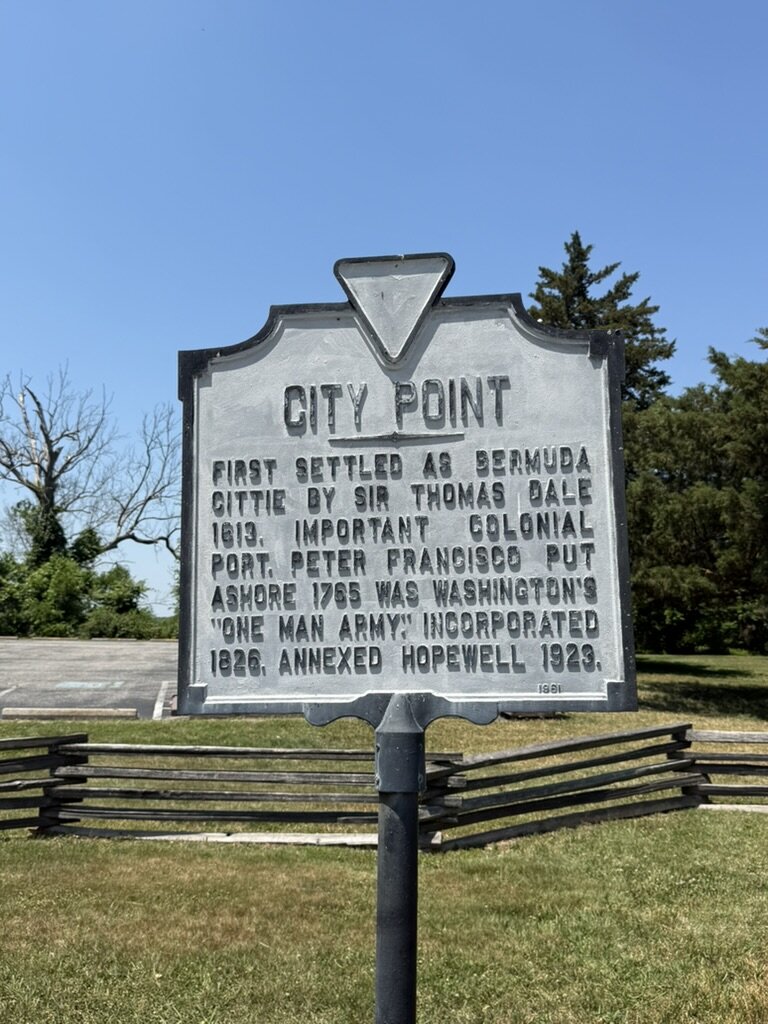
Hopewell's footprint includes City Point, established by Sir Thomas Dale in 1613 as "Bermuda Cittie" — the second-oldest continuously inhabited English settlement in America after Hampton. (Jamestown was the first, but it's no longer inhabited.) City Point was incorporated as a town in 1826 and annexed by Hopewell in 1923.
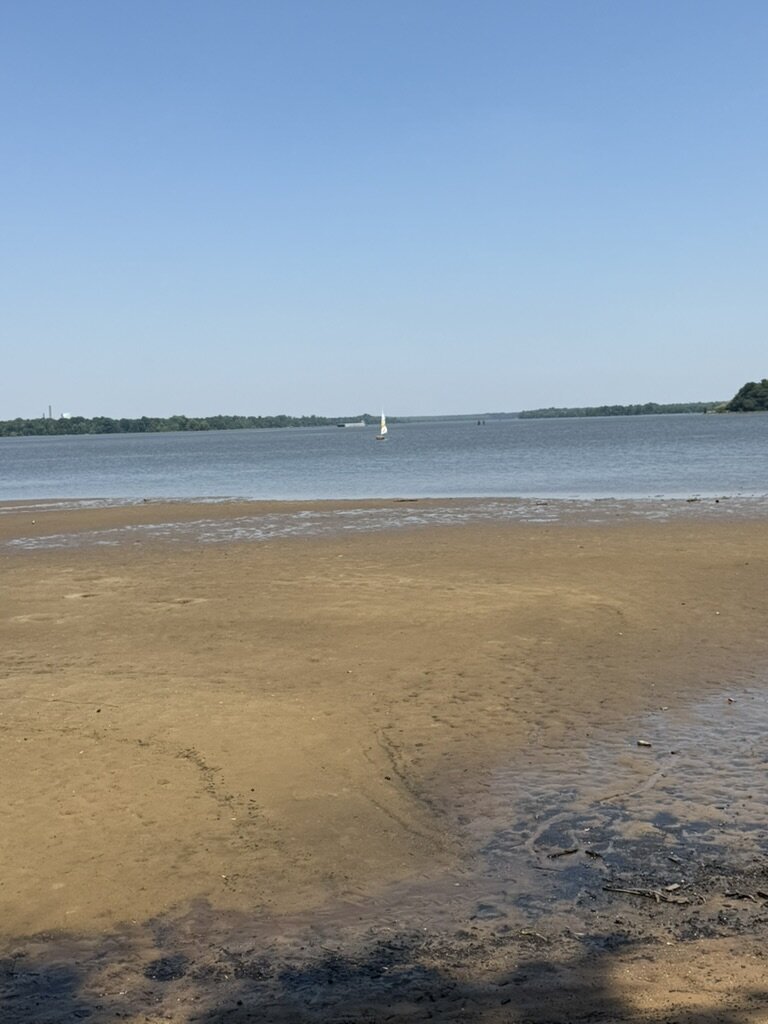
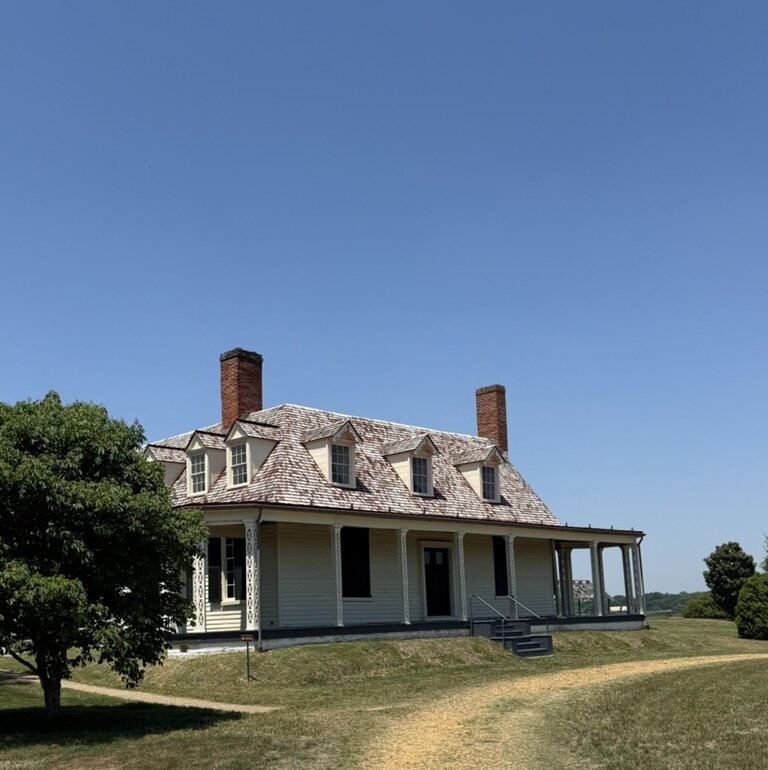
The city's strategic position at the confluence of the James and Appomattox Rivers made it pivotal in the Civil War's Siege of Petersburg (1864-65). General Ulysses S. Grant established his headquarters at Appomattox Manor at City Point and directed the war's final ten months from there. President Lincoln visited in 1864 and 1865. Today the site is preserved as part of the Petersburg National Battlefield.
Modern Hopewell was built by DuPont in 1914 as a guncotton manufacturing town. The population exploded from 400 to 20,000 in a few months — earning Hopewell the nickname "the Wonder City." DuPont built three planned villages: A Village (management housing), B Village (white workers), and South B / South City (Black workers). Aladdin kit homes from the era still stand. After DuPont left following WWI, Tubize Corporation, Allied Chemical, and Hercules Chemical took over the industrial sites. Hopewell was incorporated as an independent city in 1916.
A city actively rediscovering itself.
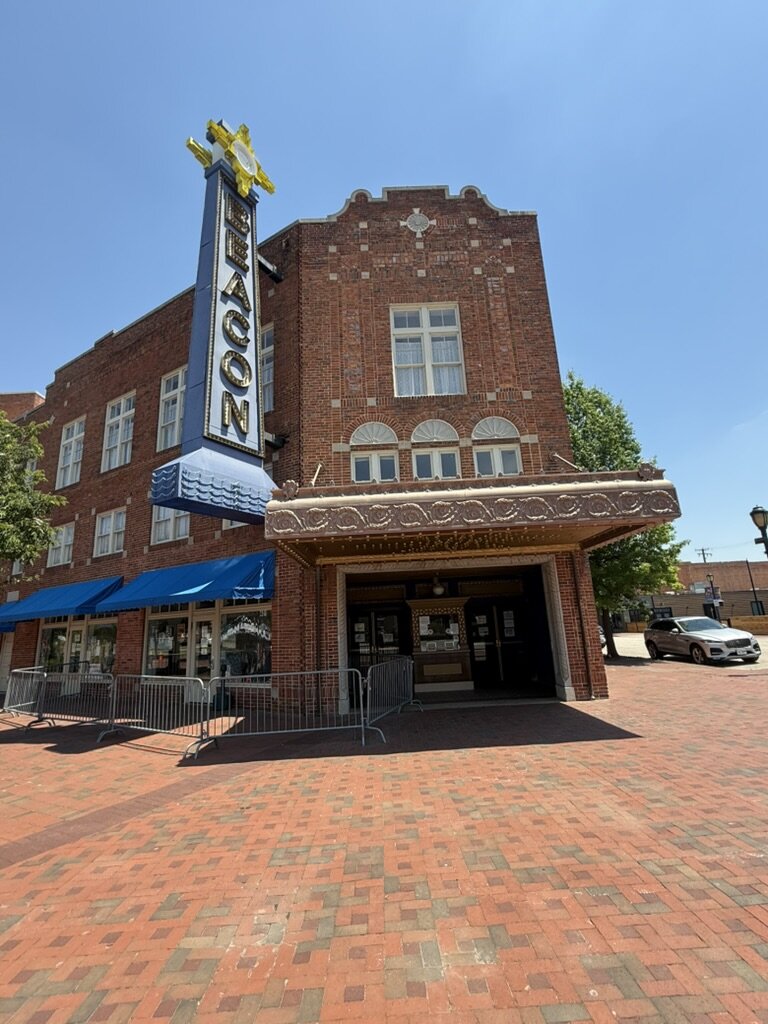
Hopewell has been working through a long economic transition since the mid-20th century — most of its middle class moved to Prince George and Chesterfield counties during the suburban expansion of the 1960s and 70s, and several major plants closed. But the city has been actively revitalizing: a renovated marina, a state-of-the-art public library, and the restored 1928 Beacon Theatre (now hosting acts from Vanilla Ice to Loretta Lynn).
The City Point Historic District is the architectural heart — 85 contributing buildings on a peninsula at the confluence of two rivers, including Appomattox Manor (1763), St. John's Episcopal Church (1840), and the South Side Railroad Depot. The DuPont-era A Village preserves Aladdin kit houses and other early-20th-century industrial-town housing.
Hopewell is on the National Park Service's Petersburg National Battlefield circuit and draws Civil War heritage tourism. The city also has one of the most distinctive birding profiles in Virginia — its riverside parks regularly produce vagrant warblers and rare gulls.